[Can You Build a House for 100k in the Philippines: A Step-by-Step Guide]: Delve into the realm of cost-effective construction as we embark on a journey to uncover the feasibility of building a house for 100k in the Philippines. By examining real-world examples, expert insights, and government regulations, we’ll provide a comprehensive guide to help you navigate the complexities of building a budget-friendly home in the Philippines.

Can I Build a House for 100k in the Philippines?
Building a house for 100k in the Philippines is undoubtedly a challenging task, but with careful planning, resourcefulness, and determination, it is indeed possible. This step-by-step guide will walk you through the intricacies of making this aspiration a reality:
1. Budgeting and Financial Preparation:
- Research and Plan: Thorough research on construction costs, materials, and labor rates in your area is essential. Plan a detailed budget that accounts for every aspect of the project.
- Funding Options: Explore various financing options such as bank loans, microfinancing institutions, or personal savings.
2. Land Acquisition:
- Select a Suitable Location: Choose an affordable and accessible piece of land with clear ownership documents. Consider factors like soil conditions, permits, and access to utilities.
3. Materials and Construction Methods:
- Opt for Cost-Effective Materials: Seek affordable yet durable building materials such as concrete blocks, locally sourced timber, and recycled materials to minimize expenses.
- Simple Design and Layout: A smaller and simple house design will require fewer materials and labor, reducing construction costs.
- DIY and Community Involvement: Consider involving skilled family members or friends in construction tasks to save on labor costs.
4. Building Techniques and Labor Management:
- Labor Management: Hire a skilled and experienced construction team, or undertake some tasks yourself to minimize outsourcing costs.
- Innovative Construction Methods: Explore innovative and cost-efficient construction techniques like bamboo housing or container homes.
- Energy-Efficient Design: Incorporate energy-saving features like natural ventilation and lighting, which can reduce utility expenses in the long run.
5. Project Management and Oversight:
- Plan and Organize: Create a realistic timeline for project completion and ensure regular supervision to prevent delays.
- Stay Informed: Research building codes, permits, and other legal requirements to avoid costly delays or rework.
Remember, building a house for 100k in the Philippines requires creativity, resourcefulness, and commitment. It’s essential to be flexible, work within constraints, and continuously seek opportunities to save money while maintaining quality. With dedication, determination, and smart decision-making, achieving this goal is feasible.
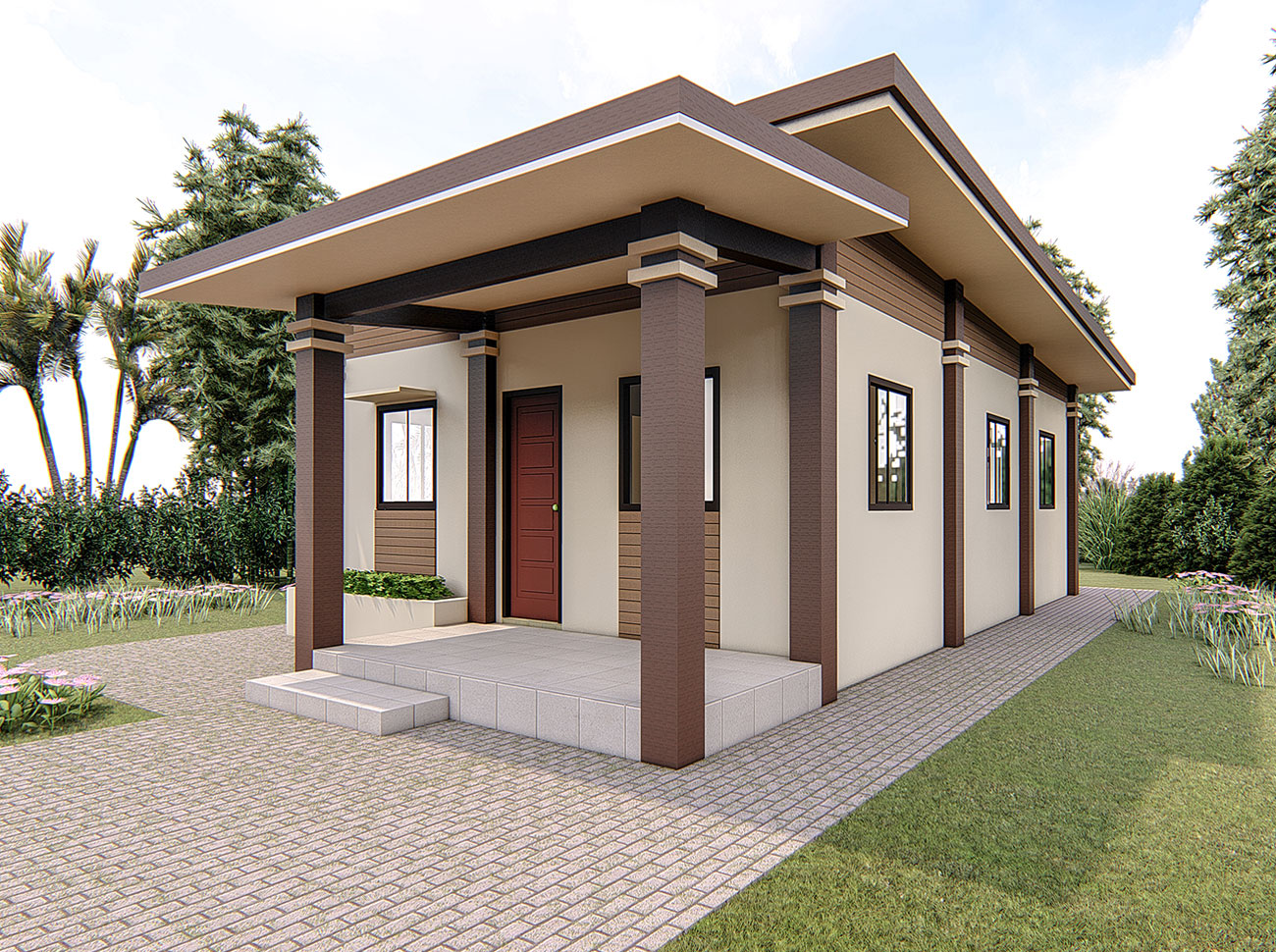 Are you intrigued by the possibility of constructing a house with a budget of 100k in the UK? Don’t miss out on our guide can i build a house for 100k uk. We’ve gathered insights, tips, and cost breakdowns to help you navigate this exciting journey.
Have you ever fantasized about building a small house for 50k? Look no further! can i build a small house for 50k unravels the secrets to creating a cozy abode without breaking the bank.
Envision owning a small house nestled within your garden. Make your dream a reality with can i build a small house in my garden. Discover the intricacies of planning, regulations, and design to bring your vision to life.
Cite reputable sources, such as government agencies, industry experts, and reputable publications, to support claims and advice.
In the realm of construction and home improvement, accuracy and reliability of information are of utmost importance. Citing reputable sources not only lends credibility to your claims and advice but also instills trust in your audience. It demonstrates your commitment to providing well-researched and evidence-based content.
Key Takeaways:
Build a strong foundation of knowledge by relying on credible sources, including government agencies, industry experts, and reputable publications.
Government Agencies:
Government agencies are responsible for regulating construction and housing standards. Their guidelines and regulations provide valuable insights into legal requirements, safety measures, and best practices. Citing these sources adds an official and authoritative layer to your content.
- Industry Experts:
Industry experts, such as architects, engineers, contractors, and real estate professionals, possess specialized knowledge and practical experience. Their insights can help you present accurate and up-to-date information to your readers.
- Reputable Publications:
Reputable publications, including newspapers, magazines, journals, and websites known for their journalistic integrity, provide well-researched and unbiased information. Citing these sources lends credibility to your content and demonstrates your commitment to providing accurate information.
- Benefits of Citing Reputable Sources:
Citing reputable sources has numerous benefits, including:
Enhances Credibility: When you cite credible sources, you establish your credibility as a knowledgeable and trustworthy source of information. Your audience is more likely to trust and rely on the information you provide.
Builds Trust: Citing reputable sources builds trust with your audience, as they see that you have taken the time to research and verify the information you present.
Demonstrates Expertise: By citing reputable sources, you demonstrate your expertise in the field. Your audience will recognize that you have a deep understanding of the topic and are well-informed on the latest trends and developments.
Supports Claims and Advice: Citing reputable sources supports your claims and advice, providing evidence to back up your statements. This makes your content more persuasive and compelling.
Encourages Further Exploration: Citing reputable sources encourages your audience to explore the topic further. They may follow the links to the sources you cited, which can lead to a deeper understanding of the subject matter.
Use clear and concise language, avoiding jargon and technical terms whenever possible.
Building a house for 100k in the Philippines is possible with careful planning and execution. Here’s a step-by-step guide to help you achieve this goal:
Step 1: Budget Allocation
- Start by setting a realistic budget. Allocate funds for materials, labor, permits, and additional expenses.
- Research local construction costs to ensure you have accurate estimates.
Step 2: Land Acquisition
- Look for affordable land options in rural areas or less developed regions. Consider smaller lots to save on costs.
Step 3: Simple House Design
- Opt for a simple and compact house design. Avoid complex architectural features that can increase construction costs.
Step 4: Material Selection
- Choose cost-effective and locally available materials. Consider using recycled or repurposed materials to further reduce expenses.
Step 5: Labor and Construction
- Hire skilled and experienced labor to ensure quality construction. Consider hiring local workers to save on labor costs.
- Manage the construction process closely to avoid delays and additional expenses.
Step 6: DIY Projects
- Take on DIY projects wherever possible to save on labor costs. This could include painting, basic plumbing, and electrical work.
Step 7: Permit and Legal Requirements
- Obtain necessary permits and approvals from local authorities before starting construction.
- Ensure compliance with building codes and regulations.
Step 8: Final Touches
- Finish the house with basic amenities and fixtures. Consider adding energy-efficient features to save on utility bills in the long run.
Key Takeaways:
- Building a house for 100k in the Philippines requires careful planning and execution.
- Set a realistic budget and allocate funds wisely.
- Choose a simple house design and cost-effective materials.
- Hire skilled labor and manage the construction process closely.
- Consider DIY projects to save on labor costs.
- Obtain necessary permits and approvals before starting construction.
- Add energy-efficient features to save on utility bills in the long run.

FAQ
Q1: What is the average cost of building a house in the Philippines?
A1: The average cost of building a house in the Philippines can vary significantly depending on factors such as location, size, and materials used. However, as a general guideline, the average cost ranges between PHP 1.5 million to PHP 5 million.
Q2: Is it possible to build a house for 100k in the Philippines?
A2: While it may seem challenging, it is possible to build a simple, decent house for 100k in the Philippines. This can be achieved by using cost-effective materials, such as bamboo, recycled materials, and local labor. Proper planning and careful budgeting are also crucial in achieving this goal.
Q3: What are some tips for building a house for 100k in the Philippines?
A3: To build a house for 100k in the Philippines, consider the following tips:
- Keep the design simple and functional.
- Choose cost-effective materials like bamboo, recycled materials, and locally-sourced products.
- Utilize local labor and negotiate for reasonable rates.
- Be resourceful and creative in finding affordable alternatives for construction materials.
Q4: Are there any case studies or examples of individuals who have successfully built houses for 100k in the Philippines?
A4: Yes, there are several examples and case studies of individuals who have successfully built houses for 100k in the Philippines. One notable example is the story of a family in Bulacan who constructed a 30-square meter house using indigenous materials and recycled items.
Q5: Where can I find reputable sources of information on construction costs and materials in the Philippines?
A5: To obtain reputable information on construction costs and materials in the Philippines, you can refer to government agencies such as the Housing and Land Use Regulatory Board (HLURB) and the Philippine Statistics Authority (PSA). Industry experts and reputable publications like real estate magazines and websites can also provide valuable insights.
